
Fire Sprinkler Inspection & Testing
A fire sprinkler system isn’t done until it passes inspection. That means pressure testing, flow testing, visual inspection, and sign-off from the fire marshal. We handle all of it.
Rain City Fire Protection schedules the inspection, prepares the system, walks it with the fire marshal, and delivers the sign-off documentation. If something needs correcting, we fix it and reschedule. You don’t have to manage any of it.
What We Test
Every system undergoes a full test protocol before we call for inspection.
Two Inspections, Two Milestones
Residential fire sprinkler systems require two separate inspections during the build process.
Rough Inspection
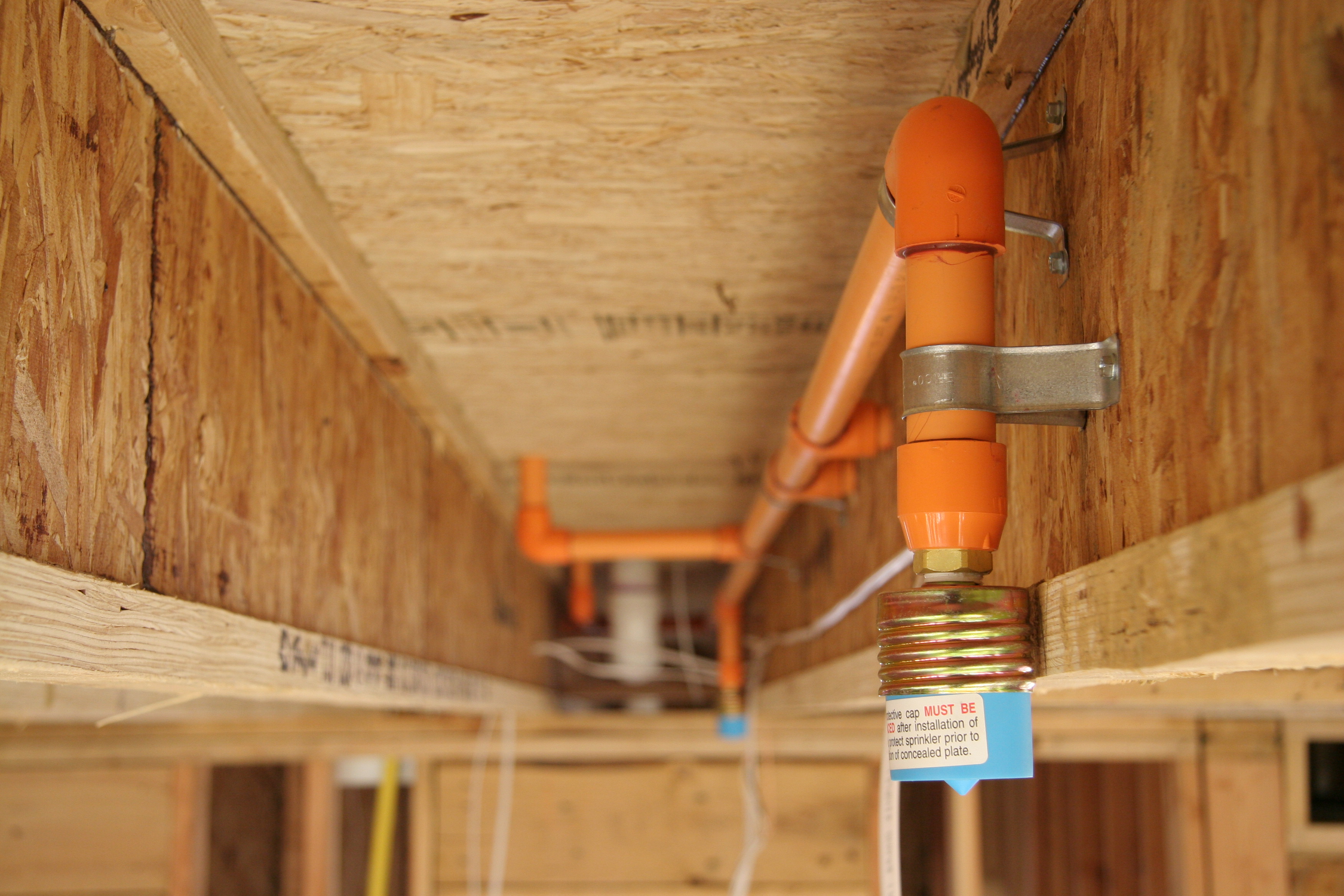
After rough-in installation, before insulation and drywall. The fire marshal inspects pipe routing, head placement, hangers, and support spacing. This is the most critical inspection — any issues get corrected while the framing is still open.
Final Inspection
After the house is finished. The fire marshal verifies head coverage, checks trim and escutcheons, confirms the system is fully operational, and witnesses the flow test. This is the sign-off that clears your certificate of occupancy.
What We Handle
Scheduling
We schedule both the rough and final inspections with the fire marshal’s office. We coordinate the timing with your builder so inspections happen when the site is ready and the build schedule isn’t disrupted.
On-Site Presence
We’re on site for every inspection. We walk the system with the fire marshal, answer questions, and address any concerns in real time. If the inspector wants to see something specific — a test drain, a head clearance, a pipe support — we’re there to demonstrate it.
Corrections
If the inspector flags an issue, we fix it. Most corrections are straightforward — a hanger adjustment, a head relocation, a minor pipe support change. We make the repair and reschedule the re-inspection, typically within a few days.
Documentation
After final sign-off, we deliver the complete documentation package: signed inspection report, contractor’s material and test certificate, and a copy of the approved as-built drawings. These are required for your certificate of occupancy.
Frequently Asked Questions
The fire marshal (or fire plan reviewer) for your jurisdiction performs the official inspection. We schedule it, prepare the system, and walk the inspection alongside the inspector. If any questions come up, we answer them on the spot.
If the inspector identifies an issue, we fix it and reschedule. Common corrections are minor — a head that needs repositioning, a hanger that needs adjusting, or a fitting that needs re-supporting. We handle the correction and get the re-inspection scheduled, usually within a few days.
A rough inspection for a single-family home typically takes 30 to 60 minutes. The final inspection, including the flow test, takes about the same. We arrive before the inspector to make sure everything is ready.
You receive the signed inspection report, a copy of the approved plans, and the contractor's material and test certificate (NFPA 13D). These documents are required for your certificate of occupancy and are good to keep for your records.
No. We walk the inspection on your behalf and coordinate directly with the fire marshal. If you want to be present, you're welcome to — but it's not required. We'll send you the results the same day.
Related Services
Need inspection coordination?
We handle the testing, the fire marshal, and the paperwork. Get in touch.